
Fitness trackers compared
12 Watches from established makers · Selection index 109.5 −3.8% 7 d · avg €90 · as of 18/10/2026
Price table · 12 Watches
 XIA·SMARTXiaomi Smart Band 10, Smart Watch,Fitness-Tracker€45−2.2%
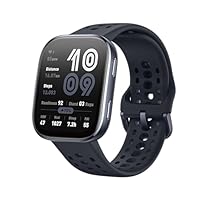 AMA·BIPAmazfit Bip 6 Smart Watch 46mm, 14 Tage Akku, 1.97“ AMOLED€71±0.0%
 FIT·CHARGEFITBIT Charge 6, Fitness Tracker, S, L, Porcelain€89−27.6%
 FIT·GOOGLEFitbit Google Fitbit Air Fitness Tracker Obsidian€93−7.5%
 GAR·VIVOSMARGarmin vivosmart 5 S/M Schwarz Fitness Tracker Pulsuhr OLED€110−15.4%
 AMA·GTSAmazfit GTS Smartwatch orange Fitness Armband Sportuhr NEU€55±0.0%
 FIT·VERSAFitbit Versa 4 Smartwatch Fitness Tracker Wasserfallblau€117−13.4%
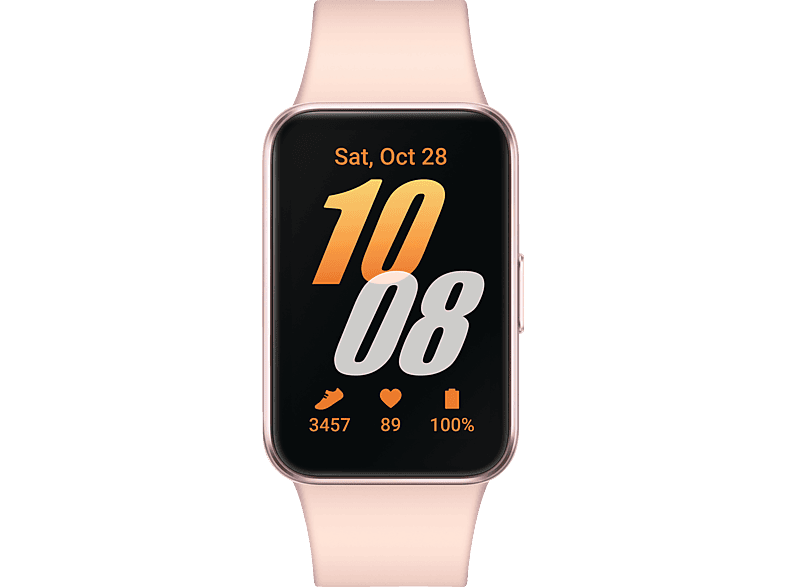 SAM·GALAXYSAMSUNG Galaxy Fit3 Fitness Tracker Aluminium€49±0.0%
 XIA·REDMIXiaomi Redmi Watch 6 Active Smartwatch/Fitnesstracker€40±0.0%
 HUA·WATCHHUAWEI Watch GT 5 Smartwatch, GPS Fitnessuhr, 46 mm, Schwarz€125+0.7%
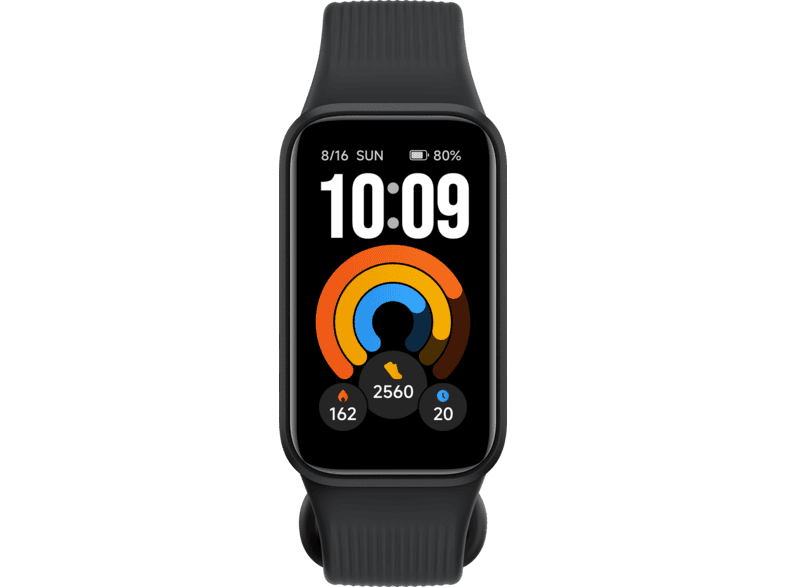 XIA·SMARTXIAOMI Smart Band 11 Active, Smartband, 135-215mm, Black€33±0.0%
 SAM·GALAXYSamsung Galaxy Watch9 Bluetooth 40mm silber/weiß Smartwatch€255−8.6%
- XIA·SMARTXiaomi Smart Band 10, Smart Watch,Fitness-TrackerBlack · Smartwatch€45±0.0%−2.2%+36.3%
- AMA·BIPAmazfit Bip 6 Smart Watch 46mm, 14 Tage Akku, 1.97“ AMOLEDBlack · 46 mm€71±0.0%±0.0%+1.1%28 d
- FIT·CHARGEFITBIT Charge 6, Fitness Tracker, S, L, PorcelainSilver · 20 mm€89−27.6%−27.6%±0.0%18 d
- FIT·GOOGLEFitbit Google Fitbit Air Fitness Tracker ObsidianFitness-Tracker · Digital€93±0.0%−7.5%−7.5%18 d
- GAR·VIVOSMARGarmin vivosmart 5 S/M Schwarz Fitness Tracker Pulsuhr OLED RetoureBlack · 17 mm€110−15.4%−15.4%−12.0%18 d
- AMA·GTSAmazfit GTS Smartwatch orange Fitness Armband Sportuhr NEUOrange · Smartwatch€55±0.0%±0.0%±0.0%20 d
- FIT·VERSAFitbit Versa 4 Smartwatch Fitness Tracker WasserfallblauBlue · Smartwatch€117−13.4%−13.4%−2.5%20 d
- SAM·GALAXYSAMSUNG Galaxy Fit3 Fitness Tracker Aluminium Fluorelastomer-KautschukGold · 85 mm€49±0.0%±0.0%+14.0%18 d
- XIA·REDMIXiaomi Redmi Watch 6 Active Smartwatch/Fitnesstracker Schwarz 1,85Black · Smartwatch€40±0.0%±0.0%−2.4%24 d
- HUA·WATCHHUAWEI Watch GT 5 Smartwatch, GPS Fitnessuhr, 46 mm, SchwarzBlack · 46 mm€125+12.7%+0.7%+0.7%
- XIA·SMARTXIAOMI Smart Band 11 Active, Smartband, 135-215mm, BlackBlack · 15 mm€33±0.0%±0.0%±0.0%13 d
- SAM·GALAXYSamsung Galaxy Watch9 Bluetooth 40mm silber/weiß Smartwatch FitnessSilver · 40 mm€255±0.0%−8.6%−8.6%14 d
Activity bands and sporty smartwatches count steps, measure heart rate and sleep, and often last for many days. Compare current models and deals here.
Fitness tracker or smartwatch?
The line is blurring: classic activity bands such as the Xiaomi Smart Band, Huawei Band or Samsung Galaxy Fit have a narrow display, weigh next to nothing and often last one to two weeks. Smartwatches offer larger screens, more apps and sometimes calling, but need charging more often. If you mainly want to track steps, heart rate and sleep, a tracker is often the better choice – it's also less intrusive in bed at night.
Many offers in this list are called "Smartwatch mit Fitness Tracker" (smartwatch with fitness tracker). These are watches that can do both. Pay particular attention to weight and size if you want to wear the watch around the clock.
How accurate are fitness trackers?
Optical heart rate measurement uses green light to detect blood flow under the skin. At rest and during steady exercise it is reasonably accurate; during intervals, strength training or with a loose fit the reading deviates more. For precise heart rate training a chest strap remains the more accurate solution – many trackers can be paired with one.
Step counters use acceleration sensors and can miscount arm movements (pushing a pram, cycling). Sleep phases, stress or blood oxygen are estimated from heart rate and movement data. Use the values as a trend over weeks, not as an exact daily measurement.
- Built-in GPS: for runs without your phone – rare on bands
- Connected GPS: uses your smartphone, which you need to carry
- At least 5 ATM plus the manufacturer's swim approval if you want to record swims
- App ecosystem: determines how well you can analyse and export your data
Buying tips
Think about which sports you will really record. For walks and everyday activity, a simple band is enough. Runners and cyclists benefit from GPS and compatibility with Strava or Komoot. Also look for a skin-friendly strap that fits well – only then will the heart rate readings be accurate.
Comfort and skin tolerance
A tracker is only useful if you enjoy wearing it. Light bands under 30 grams are barely noticeable, even while you sleep. Silicone straps should be rinsed and dried after exercise so that no skin irritation develops under the sensor. Wear the tracker about a finger's width above your wrist bone and not too loose – that keeps the heart rate sensor stable and gives the best readings.