
Chronographs compared
13 Watches from established makers · Selection index 96.3 +13.6% 7 d · avg €147 · as of 18/10/2026
Price table · 13 Watches
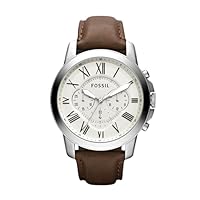 FOS·GRANTFossil Grant uhr für Herren, Quarz-Chronographenwerk€85±0.0%
 INV·CHRONOGRInvicta Herren Chronograph Armbanduhr Edelstahl silber€76±0.0%
 MIC·KORSMichael Kors Herren Quarz Chronograph Uhr schwarz Edelstahl€95±0.0%
 TOM·HILFIGERTommy Hilfiger Uhr Neu silber Strass emely unisex€100–
 TOM·HILFIGERTommy Hilfiger Herren Chronograph Armbanduhr Quarz Edelstahl€59±0.0%
 SEI·SPIRITSeiko Spirit SBTQ071 Chronograph Herrenuhr Quarz blau/silber€160–
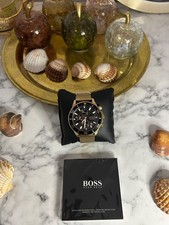 HUG·BOSSHugo Boss 1513906 Herrenuhr Admiral Chronograph Edelstahl€165±0.0%
 FES·HERRENUHFestina Herrenuhr Timeless Chronograph Armbanduhr Edelstahl€181±0.0%
 FES·HERRENUHFestina Herrenuhr Chrono Bike F20543/4 Armbanduhr Edelstahl€187±0.0%
 FOS·MACHINEFossil Machine Uhr für Herren€92±0.0%
 MIC·KORSMichael Kors Herren Quarz Chronograph Armbanduhr€300±0.0%
 DIE·HERRENUHDiesel Herrenuhr Diesel Chief Series, QuarzChronographenwerk€179±0.0%
 EMP·ARMANIEmporio Armani Montre Pour Homme€229+17.9%
- FOS·GRANTFossil Grant uhr für Herren, Quarz-ChronographenwerkBrown · 44 mm€85±0.0%±0.0%−3.2%
- INV·CHRONOGRInvicta Herren Chronograph Armbanduhr Edelstahl silber orangeSilver · Men€76±0.0%––
- MIC·KORSMichael Kors Herren Quarz Chronograph Uhr schwarz EdelstahlBlack · Quartz€95±0.0%––
- TOM·HILFIGERTommy Hilfiger Uhr Neu silber Strass emely unisex weihnachtenSilver · Unisex€100–––
- TOM·HILFIGERTommy Hilfiger Herren Chronograph Armbanduhr Quarz Edelstahl silberGrey · Quartz€59±0.0%––
- SEI·SPIRITSeiko Spirit SBTQ071 Chronograph Herrenuhr Quarz blau/silber 38,5 mmSilver · Quartz€160–––
- HUG·BOSSHugo Boss 1513906 Herrenuhr Admiral Chronograph Edelstahl Gold SchwarzBlack · 46 mm€165±0.0%––
- FES·HERRENUHFestina Herrenuhr Timeless Chronograph Armbanduhr Edelstahl goldGold · Men€181±0.0%––
- FES·HERRENUHFestina Herrenuhr Chrono Bike F20543/4 Armbanduhr Edelstahl silberSilver · Men€187±0.0%––
- FOS·MACHINEFossil Machine Uhr für HerrenBlack · 42 mm€92±0.0%––
- MIC·KORSMichael Kors Herren Quarz Chronograph Armbanduhr gold/schwarzBlack · Quartz€300±0.0%––
- DIE·HERRENUHDiesel Herrenuhr Diesel Chief Series, QuarzChronographenwerk51 mm · Quartz€179±0.0%––
- EMP·ARMANIEmporio Armani Montre Pour Homme41 mm · Quartz€229+17.9%–+17.6%9 d
A chronograph is a watch with a built-in stopwatch. Compare sporty and elegant models here – and find out what pushers, sub-dials and tachymeters are all about.
Chronograph – not chronometer
The terms are often confused: a chronograph has a stopwatch function that you start, stop and reset using two pushers next to the crown. A chronometer, on the other hand, is a particularly accurate watch whose movement has passed an official test – in Switzerland, for example, by the COSC. A watch can be both, but doesn't have to be.
The small sub-dials (totalisers) count the stopped minutes and hours; another one often shows the running seconds. On some cheap watches the sub-dials are just decoration or show the day of the week and a 24-hour display – it's worth checking the description.
Quartz, meca-quartz or automatic
Quartz chronographs are the most common: accurate, slim and affordable. The large seconds hand usually jumps in one-second steps when timing. Meca-quartz movements such as the Seiko VK63 combine quartz regulation with a mechanical chronograph module: the chronograph hand sweeps smoothly and snaps back instantly on reset – a feel like that of mechanical watches. Automatic chronographs are complex, thicker and considerably more expensive; well-known movements include the Valjoux/ETA 7750.
- Tachymeter scale: calculates speed over a distance of 1 km
- Screw-down pushers: useful if you want to swim with the watch
- Never operate the pushers underwater unless the manufacturer allows it
- Don't leave the stopwatch running permanently – it drains the battery
What to look for when buying
Chronographs have a lot of detail on the dial. Good legibility comes from clear contrasts, not too many scales and a clearly distinct chronograph hand. Because of the additional module, the cases are usually larger and thicker than simple three-hand watches – 40 to 44 millimetres is typical. On a leather or silicone strap the watch looks sporty and light, on a stainless steel bracelet rather chunky.
Check the water resistance: 3 to 5 bar is enough for everyday use, but it should be 10 bar for swimming; only operate the pushers underwater if the manufacturer allows it. Luminous hands help in poor light.
Care and battery changes
Quartz chronographs need a new battery after a few years. Have it changed by a watchmaker, because the water resistance should be tested after the case has been opened. If the chronograph hands don't sit exactly at twelve o'clock after resetting, many movements let you adjust this via a correction function in the crown – the movement's manual explains how.